July 6, 2026
Understanding the difference between cosmetic and structural vehicle damage is crucial for every vehicle owner. Neglecting this differentiation can lead to dire consequences, including increased risks of accidents and higher costs for repairs. This article aims to explore the distinctions between cosmetic and safety-related vehicle damage by delving into various aspects, such as types of damage, indicators of structural issues, and implications of neglecting these damages. By partnering with a qualified local auto collision repair facility, you can accurately identify these hidden risks. Additionally, legal and insurance perspectives will be covered to provide a comprehensive understanding.
Understanding Vehicle Damage
Cosmetic Damage
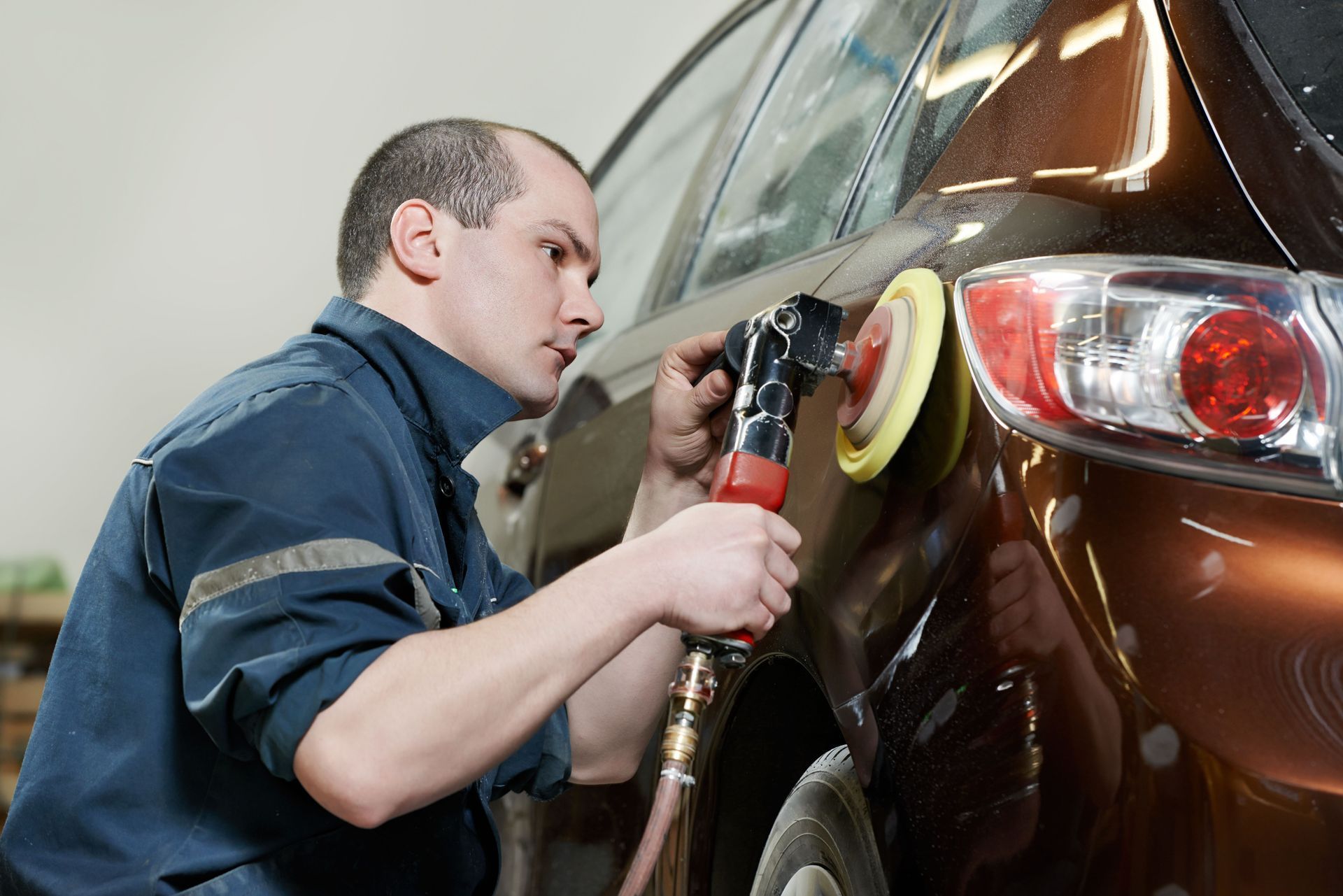
Cosmetic damage refers to any damage that affects the appearance of a vehicle but does not impact its structural integrity or function. This type of damage includes minor issues such as paint scratches, dents, and other surface imperfections that do not pose a safety risk. Cosmetic damage is often more concerned with aesthetics, impacting the vehicle's look rather than its functionality. Though they are generally superficial, ignoring these damages can lead to decreased resale value and a poor first impression. Addressing cosmetic damage promptly at a trusted shop for local auto collision repair ensures a vehicle remains visually appealing while preserving its overall worth.
Structural Damage
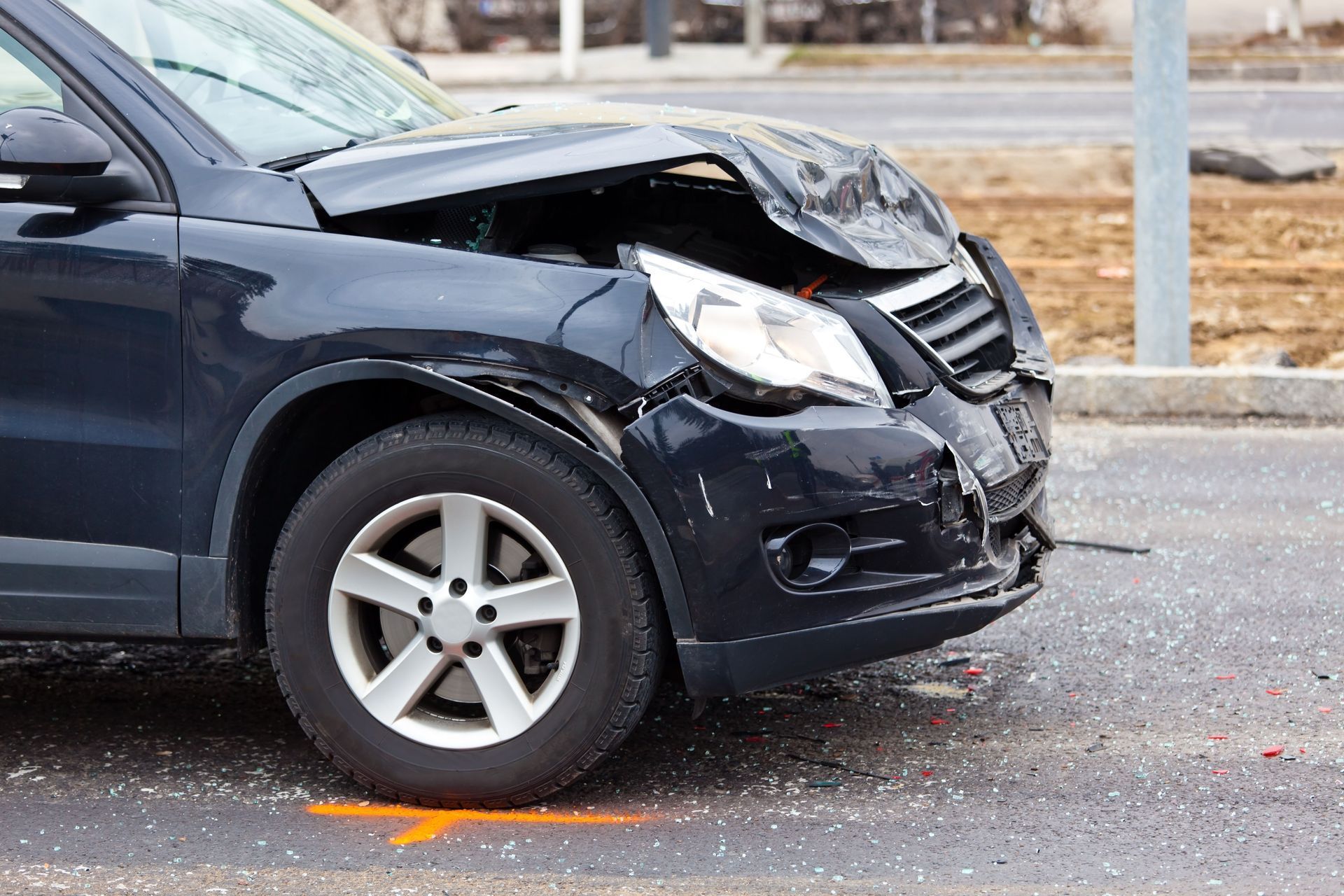
Structural damage, on the other hand, refers to impairments that impact the integrity and safety of a vehicle. This type of damage can affect the vehicle's frame, suspension, and critical systems, posing significant safety hazards. An example of structural damage is a bent frame from a crash, which can compromise the vehicle’s handling and safety. Such damages are serious and require immediate professional evaluation and repair. Unlike cosmetic damage, structural issues can directly affect the safety mechanisms of a vehicle, making it more prone to accidents if left unaddressed by a specialist.
Vehicle Damage Assessment
The assessment of vehicle damage involves a thorough examination to determine the extent and type of impairment. Professionals utilize advanced technology and diagnostic tools to evaluate both cosmetic and structural damage accurately. They assess whether the damage is merely surface-level or affects essential systems requiring immediate attention. This detailed evaluation helps in deciding the necessary repairs, contributing to safety and performance optimization. Regular inspections by a certified local auto collision repair team are vital in identifying issues early, thus minimizing potential risks associated with undetected structural damage.
Common Types of Cosmetic Vehicle Damage
Surface Scratches and Paint Chips
Surface scratches and paint chips are among the most common forms of cosmetic vehicle damage. These imperfections usually result from minor incidents such as brushing against tree branches, debris, or even careless parking. While often harmless, neglecting these minor damages can lead to rust and further paint deterioration. Addressing scratches and chips with appropriate touch-up solutions at an expert shop prevents long-term damage to the vehicle's exterior.
Dents and Dings
Dents and dings typically occur from minor impacts such as hailstorms, parking lot mishaps, or minor collisions. Though usually not affecting a vehicle's functionality, these cosmetic damages can be unsightly and impact marketability. Fortunately, modern repair techniques like paintless dent repair make it easy to restore a vehicle's appearance. Securing efficient local auto collision repair to handle these damages promptly can prevent further issues like corrosion. Regular checks for dents and dings as part of routine maintenance can help maintain the aesthetics and value of a car.
Weather-related Wear and Tear
Weather-related wear and tear includes damage from exposure to elements like sunlight, rain, snow, and pollutants. UV rays can lead to faded paintwork, while moisture can cause rust and deterioration of metal parts. Vehicles parked outdoors without adequate protection are more susceptible to such damage. Protective measures, such as waxing and using car covers, can mitigate the impact of weather elements. Regular detailing and protective coatings preserve the exterior against environmental factors, maintaining the vehicle's visual appeal.
Indicators of Structural or Safety Concern
Frame Damage
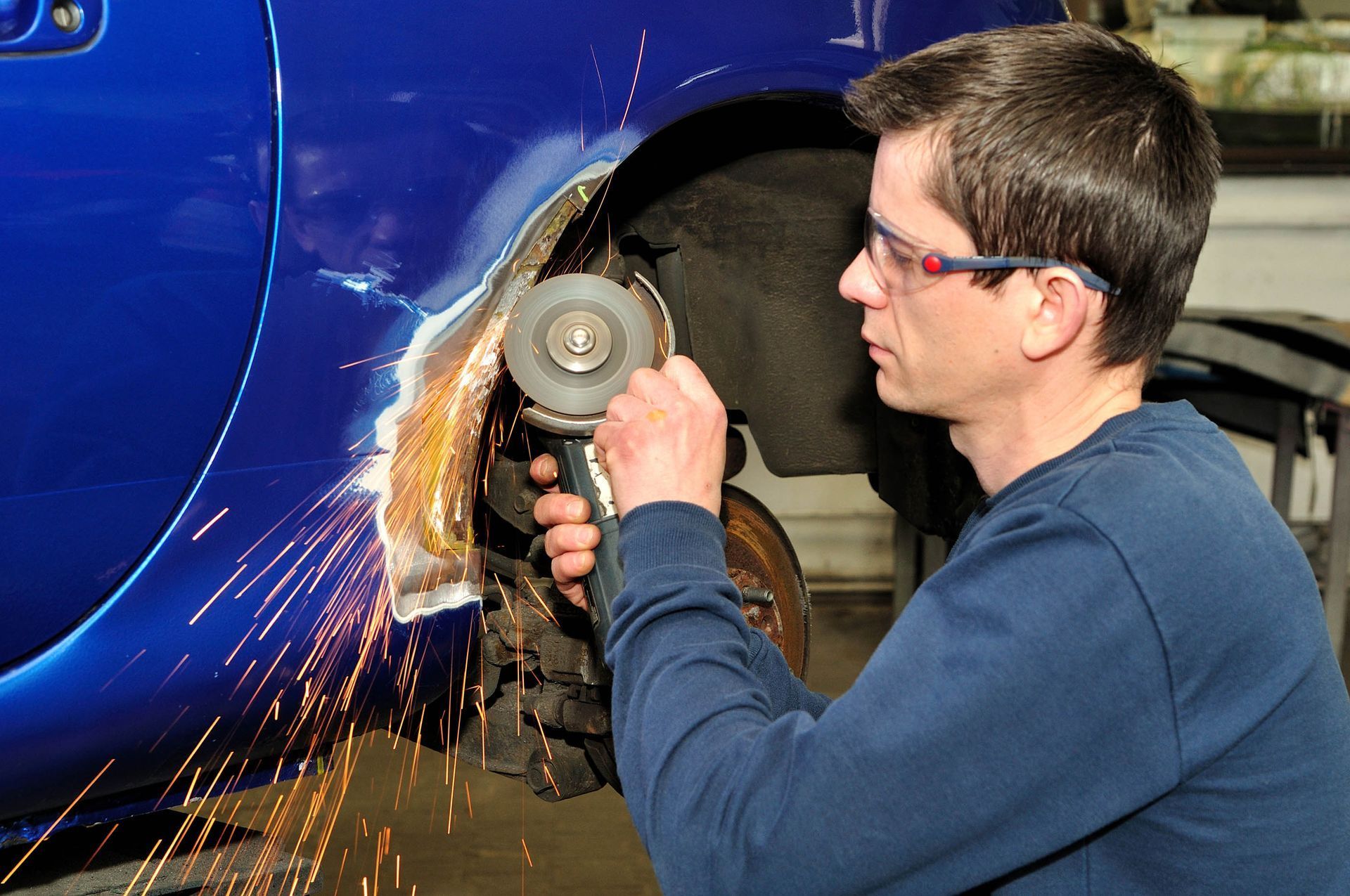
Frame damage is a critical indicator of structural issues, typically resulting from severe collisions. A compromised frame can impair vehicle alignment, making driving dangerous and unstable. This type of damage can potentially alter the crash safety of a vehicle, raising significant safety concerns. A comprehensive inspection by a local auto collision repair specialist is essential to assess and rectify any frame abnormalities. Ignoring frame damage may lead to severe consequences, necessitating complete vehicle replacement to ensure safety.
Suspension and Alignment Issues
Suspension and alignment issues often arise after significant impacts or due to prolonged wear. Symptoms such as uneven tire wear, steering difficulty, and vibrations indicate potential problems with suspension systems. Misalignment affects not only vehicle handling but also tire longevity, leading to uneven tire degradation. Addressing these issues promptly with professional help ensures optimal driving conditions and safety. Regular alignment checks as part of maintenance avert prolonged damage and associated risks.
Compromised Airbag Systems
Compromised airbag systems pose severe safety risks, as airbags are crucial for protection during collisions. Any malfunctions, such as warning lights or deployment failures, demand immediate attention. Even minor collisions can affect sensor functionality, rendering airbag systems unreliable in severe crashes. Ensuring airbags are functional is imperative for driver and passenger safety, with professional diagnostics identifying potential issues. According to Consumer Shield, there are between 5 million and 6 million automobile accidents in the United States every single year, meaning effective airbag systems are vital for minimizing injury risks.
Assessing Collision Damage
Understanding Impact Points
Understanding impact points in a collision is crucial for assessing potential damage to a vehicle. The point of impact often dictates the type and severity of both cosmetic and structural damage. For example, a front-end collision may damage essential components like the engine or suspension systems. Identifying these impact points facilitates an effective and thorough repair process, addressing all affected areas efficiently. Detailed diagnostics by trained professionals in local auto collision repair ensure accurate assessments and repairs, maintaining vehicle safety post-collision.
Evaluating the Severity of Collisions
Evaluating collision severity involves examining both visible and hidden damage to understand the full extent of impairment. Minor accidents may only result in cosmetic issues, whereas severe collisions can have a broad impact on structural integrity. Knowing the severity helps ascertain the necessary repairs and replacements required for restoring the vehicle to a safe condition. Ignoring the severity can lead to overlooked issues that compromise safety and reliability. In-depth evaluation and professional advice are paramount to ensure thorough and effective restoration.
The Role of Professional Diagnoses
Professional diagnoses play an indispensable role in accurately assessing vehicle damage following a collision. Specialists utilize advanced tools and expertise to identify problems that might not be visible to untrained eyes. Choosing a certified provider for your local auto collision repair ensures a comprehensive assessment covering both mechanical and cosmetic elements, ensuring all safety concerns are addressed. Relying on professional insights ensures a holistic approach to repairs, preserving both safety and functionality.
Distinguishing between cosmetic and safety-related vehicle damage is essential for maintaining both vehicle integrity and owner safety. While cosmetic damage primarily impacts appearance, structural issues can endanger safety and demand immediate attention. Regular maintenance, timely repairs, and professional consultations are crucial preventive measures for addressing any damage effectively. Vehicle owners are encouraged to stay informed and proactive, ensuring their vehicles remain safe, reliable, and visually appealing over time.
Contact Dutton Auto Body Shop Inc for dependable local auto collision repair services to keep your vehicle stunning, safe, and completely road-ready!