November 3, 2026
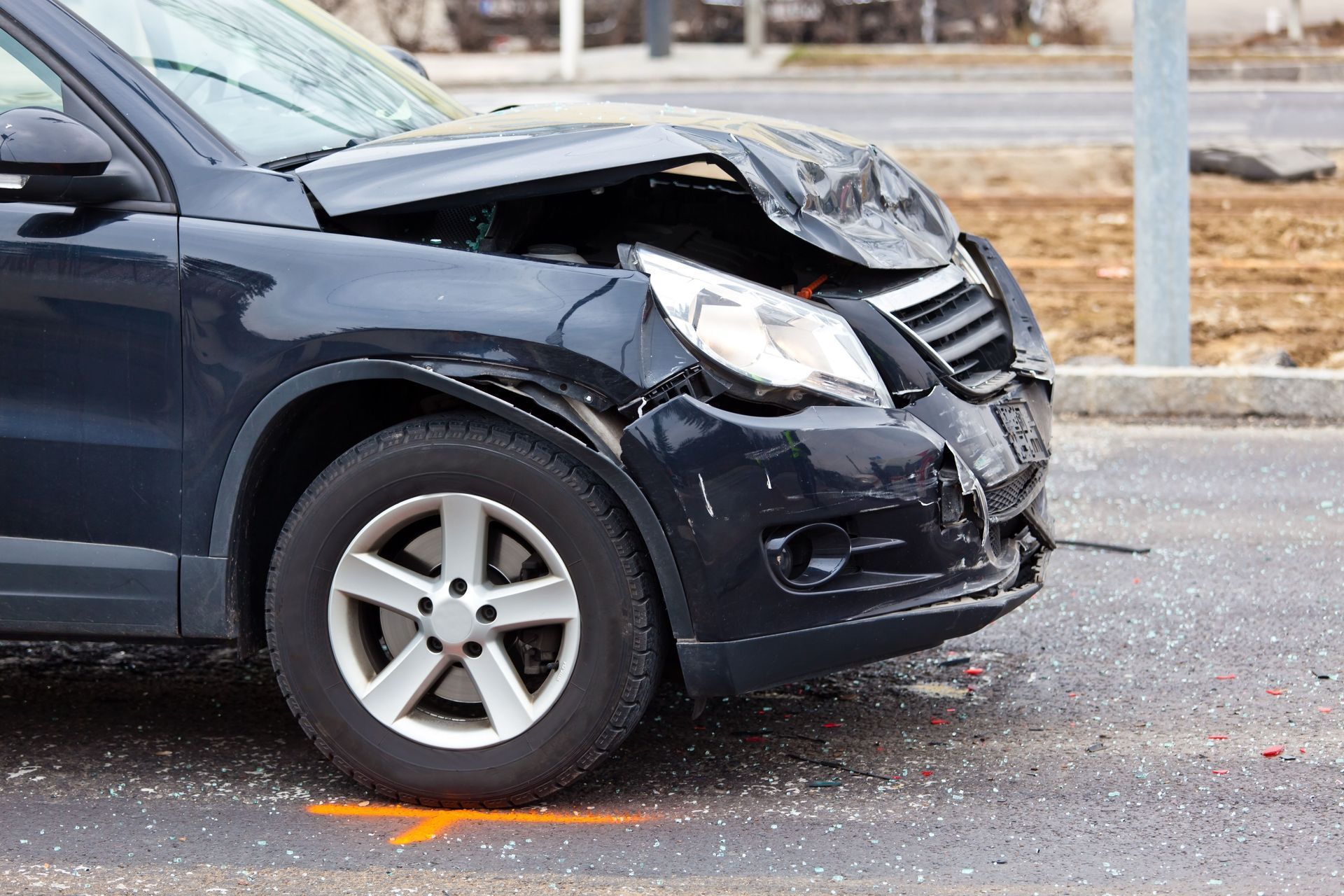
A rear-end collision can leave a vehicle looking relatively unharmed while concealing damage that affects its safety, performance, and reliability. Even when the bumper has only a few scratches or a small dent, the impact may have traveled through the vehicle's structure, suspension, electrical components, and cargo area. These problems are not always obvious during a quick walk-around, making a professional inspection important after an accident.
According to Fortune Business Insights, rear-end repairs accounted for 30.57% of the automotive collision repair market in 2026, making this the largest segment of that market. This figure highlights the significance of rear-end collision damage and the importance of looking beyond what is immediately visible.
How Can Hidden Frame Damage Affect the Vehicle?
A vehicle's structural framework is designed to absorb and distribute crash forces. During a rear-end collision, those forces can deform structural components, shift mounting points, or damage designated crumple zones. Although a bumper may appear to have absorbed most of the impact, the underlying structure could still be compromised.
Frame damage is not always dramatic. A vehicle might have small distortions that are difficult to detect without careful measurements. Even minor changes in structural geometry can affect how the vehicle handles, how body panels fit together, and how effectively certain safety systems function during another collision.
During an auto repair inspection, technicians examine the rear rails, crossmembers, reinforcement bars, and surrounding structural components. They may use computerized measuring systems to compare the vehicle's dimensions against manufacturer specifications. These measurements help reveal bends, twists, or shifts that cannot be identified reliably by looking at the exterior alone.
Technicians also inspect welds, seams, and attachment points for signs of separation or unusual deformation. Depending on the findings, repairs may involve replacing damaged structural sections or using approved equipment and procedures to restore alignment. Some components require replacement rather than straightening, particularly when manufacturer guidelines prohibit certain repairs.
Why Is the Undercarriage Often Overlooked?
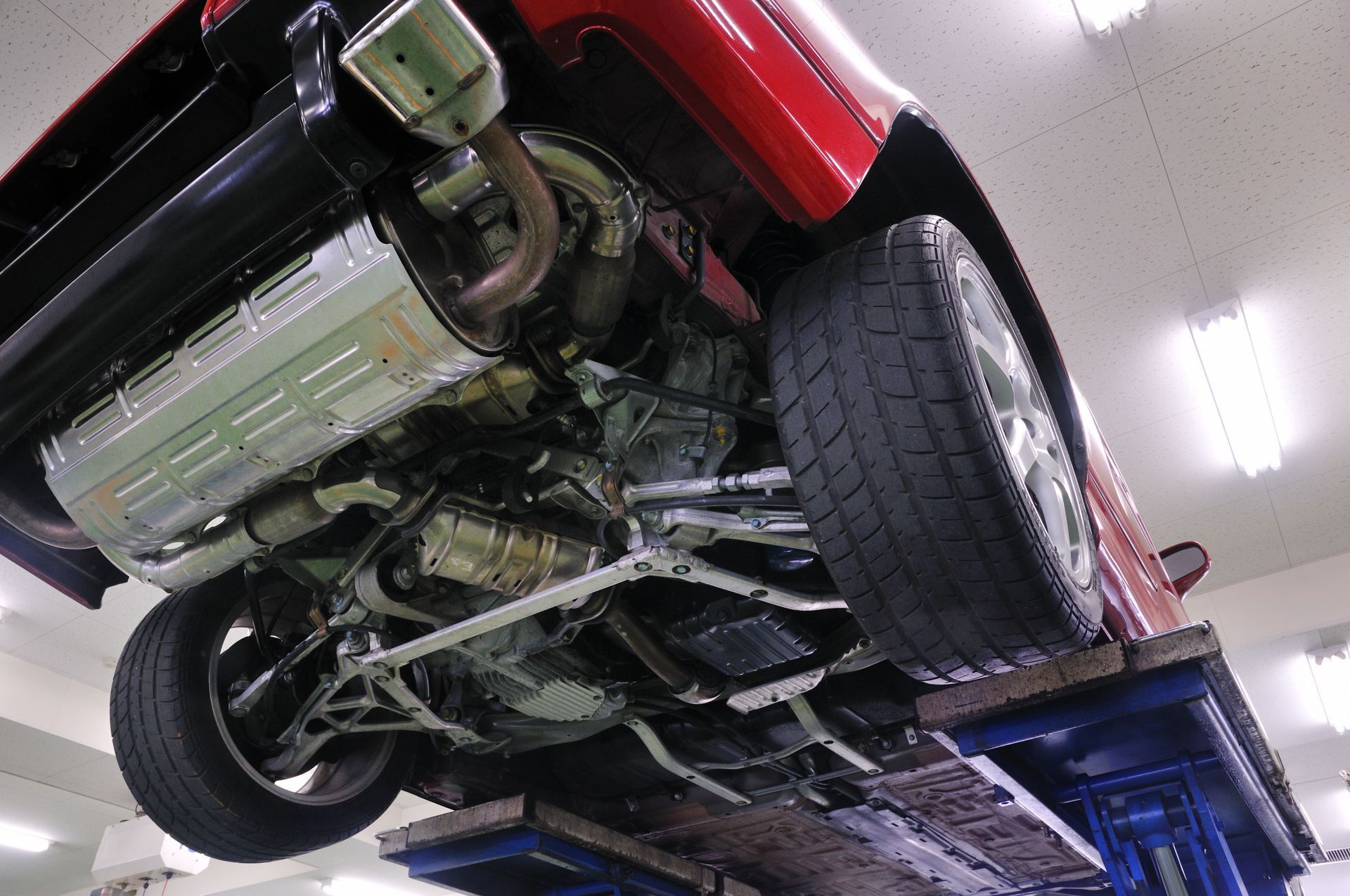
After a rear-end collision, vehicle owners naturally focus on the bumper, trunk lid, and taillights. However, the undercarriage can sustain damage that remains hidden from view, particularly when the impact pushes components upward or transfers force through the rear structure.
Depending on the vehicle's design and the severity of the collision, technicians may find damaged exhaust hangers, bent suspension components, displaced heat shields, or compromised fuel system mounting points. Vehicles with rear-mounted batteries or hybrid and electric powertrain components may also require specialized inspections of those areas.
An undercarriage inspection typically involves raising the vehicle on a lift and examining the components beneath the body. Technicians look for fresh scrapes, bent brackets, fluid leaks, cracked components, and changes in the positioning of exhaust or suspension parts. They also check whether the impact has affected protective panels or exposed wiring.
Professional auto repair services can help identify these problems before they lead to more serious complications. For example, a displaced exhaust component might produce rattling noises, while damaged mounting hardware could allow parts to move excessively during normal driving.
What Electrical System Problems Can Arise?
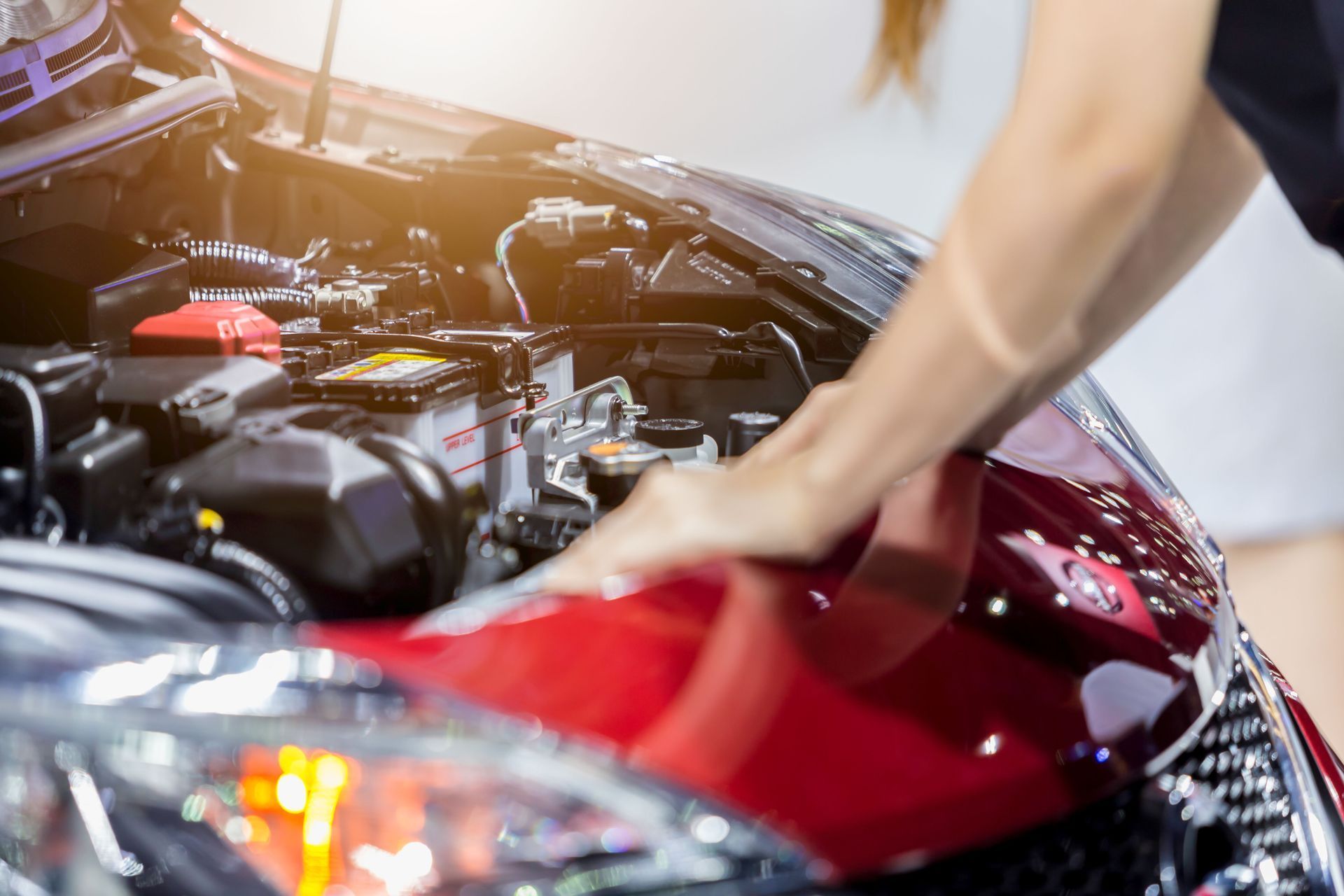
Modern vehicles rely on electrical systems for everything from lighting and parking assistance to collision warnings and convenience features. A rear-end impact can damage wiring, connectors, sensors, and control modules, even when the exterior damage appears relatively minor.
Rear parking sensors and backup cameras are particularly vulnerable because they are often installed in or near the bumper. An impact can crack a sensor housing, damage a connector, or alter a sensor's position. The result may be inaccurate warnings, intermittent operation, or a system that stops functioning altogether.
Other possible problems include damaged taillight wiring, malfunctioning turn signals, faulty trunk-release mechanisms, and issues with electrical connections near the rear of the vehicle. In some models, collision-related damage may also affect blind-spot monitoring or other driver-assistance features.
During an auto repair evaluation, technicians can scan the vehicle's electronic control modules for diagnostic trouble codes. They may also inspect wiring diagrams, test electrical circuits, and check sensor operation using manufacturer-approved diagnostic equipment. A trouble code provides useful information, but it does not automatically identify the damaged component. Additional testing is often necessary to establish the cause.
Proper calibration is another important consideration. If a collision affects a sensor or its mounting position, simply replacing a damaged part might not restore the system's accuracy. Technicians must follow the manufacturer's procedures to verify operation and complete any required calibration.
Can Rear-End Accidents Affect Wheel Alignment?
Wheel alignment problems are commonly associated with potholes and curb impacts, but rear-end collisions can also change the position of suspension components or shift the geometry of the rear wheels. The extent of the damage depends on the impact's direction, force, and location.
Drivers might notice that the vehicle pulls to one side, the steering wheel sits off-center, or the tires begin wearing unevenly. Some vehicles may also develop unusual vibrations or feel less stable during turns. However, these symptoms are not exclusive to alignment problems, so technicians must investigate the underlying cause.
A professional inspection typically includes checking suspension arms, bushings, mounting points, and other components that influence wheel positioning. Technicians may then use a computerized alignment machine to measure the vehicle's alignment angles and compare them with manufacturer specifications.
If the readings fall outside the acceptable range, adjustments may correct the problem. However, alignment alone cannot fix a bent suspension component or damaged structural mounting point. Those issues must be identified and addressed first.
Quality auto repair work therefore involves examining both alignment measurements and the mechanical condition of the surrounding components. After repairs, technicians can perform another alignment check to confirm that the vehicle meets the appropriate specifications.
How Do Trunk and Cargo Space Get Compromised?
The trunk often absorbs a significant portion of the force in a rear-end collision. Although the trunk lid might still open and close, the surrounding body structure, weather seals, hinges, latch, or floor panel could be damaged.
One common issue involves subtle deformation around the trunk opening. If the opening becomes distorted, the lid might sit unevenly or fail to seal properly. Water can then enter the cargo area, potentially soaking carpeting, damaging stored belongings, and contributing to corrosion or electrical problems.
Technicians inspect the trunk floor, rear body panel, latch assembly, hinges, and surrounding seams for deformation. They may also check weather stripping, drainage paths, and interior trim for evidence of water intrusion or displaced components.
A damaged trunk floor can affect more than cargo storage. Depending on the vehicle, it may interfere with spare tire storage, battery compartments, or other equipment housed in the rear. Technicians must determine whether the damage extends into structural areas or affects components beneath the cargo space.
During auto repair, restoring the trunk area may involve replacing damaged panels, adjusting the latch, repairing approved mounting points, or installing new seals. Technicians should also verify that the lid closes securely and that the repaired opening provides an appropriate weather seal.
A professional inspection helps uncover issues before they become more expensive or create additional risks. By choosing qualified technicians who follow manufacturer repair procedures, vehicle owners can make more informed decisions about necessary repairs and ensure that damaged systems receive appropriate attention.
Ultimately, effective
auto repair means restoring more than a vehicle's appearance. It means evaluating the damage carefully, correcting underlying problems, and verifying that the vehicle is safe and functional before it returns to the road. If you need bodywork, reach out to Dutton Auto Body Shop Inc today!