November 18, 2026
Dealing with vehicle damage after an accident can be stressful, especially when auto collision repairs take longer than originally anticipated. Vehicle owners often expect the repair process to follow a straightforward schedule, but several factors can affect how quickly a damaged vehicle is ready to return to the road. From identifying hidden damage to coordinating replacement parts, unexpected complications can create delays throughout the repair process.
Understanding what contributes to these delays can help vehicle owners establish realistic expectations and communicate more effectively with their repair providers. Although every collision involves different circumstances, knowing what to expect can make the experience easier to manage. According to JD Power, its 2025 study found that the average cycle time for repairing vehicles had decreased to 19.3 days, compared with 22.3 days the previous year. In this article, we discuss the most common reasons repair schedules change.
Hidden Damage Discovered During Inspections
One common reason auto collision repairs take longer than expected is the discovery of damage that was not immediately visible after an accident. While the exterior of a vehicle may show obvious dents, scratches, or broken components, additional problems may become apparent during a more detailed inspection.
This can affect the original repair plan because technicians must account for newly identified issues before continuing with the work. The additional damage may require different replacement parts, more labor, or adjustments to the repair schedule.
Another challenge involves determining the full extent of damage before beginning certain auto collision repairs. Technicians may need to examine affected areas more closely to understand which components require attention and whether the original repair estimate accurately reflects the necessary work.
When additional damage is identified, the repair provider may need to update the vehicle owner's estimate and communicate the changes. Although these adjustments can extend the timeline, addressing the newly discovered issues helps keep the repair process focused on restoring the vehicle properly.
Delays Involving Replacement Parts
Replacement part availability can have a significant influence on collision repair schedules. Depending on the vehicle and the components involved, obtaining the necessary materials may take longer than originally anticipated.
If a required part is unavailable when repairs are scheduled to begin, technicians may have to postpone certain tasks. Even when other portions of the repair can move forward, missing components can prevent the team from completing the entire project.
The selected replacement parts can also affect the process. Some repairs require specific components that match the vehicle's make, model, and configuration, meaning the repair provider must identify and obtain the appropriate materials before proceeding.
Ordering errors can create additional complications as well. If an incorrect part arrives, the repair facility may need to arrange another order, wait for the correct component, and adjust the remaining work around its arrival.
Complex Vehicle Damage and Repair Requirements
Not every collision involves the same type or extent of vehicle damage. Some vehicles require relatively straightforward exterior repairs, while others need more extensive work involving multiple damaged areas and components.
The complexity of the necessary auto collision repairs can influence how technicians organize their work. When several areas require attention, the team must account for the different tasks involved and determine the appropriate sequence for completing them.
Structural damage can introduce additional repair requirements. Technicians may need to spend more time assessing affected sections, determining the appropriate repair approach, and completing the necessary work before moving forward with other portions of the project.
Modern vehicle components can also make certain repairs more involved. When damaged systems or connected components require attention, technicians must account for those requirements rather than focusing exclusively on the vehicle's exterior appearance.
These considerations make it important to avoid assuming that every collision repair will follow the same schedule. A more extensive project may require additional coordination and time to address all identified concerns.
Repair Facility Scheduling and Workload
The repair facility's existing workload can influence when a vehicle receives attention and how quickly the work progresses. When several vehicles require auto collision repairs at the same time, the facility must coordinate available technicians, equipment, and scheduled work.
This can affect the start of a repair project or create interruptions between different stages. Even when the necessary parts and approvals are available, scheduling considerations may influence when specific tasks can be completed.
The type of work involved can also affect how the repair facility organizes its schedule. Certain auto collision repairs may require particular technicians or equipment, making coordination an important part of maintaining progress.
Vehicle owners can benefit from asking their repair provider about the expected schedule and any known workload-related delays. Having a clearer understanding of the facility's timeline helps establish more realistic expectations throughout the repair process.
Additional Repairs and Changing Estimates
Sometimes, the original repair estimate changes after work begins. This can happen when technicians identify additional damage, discover that certain components require replacement, or determine that the initial repair approach needs modification.
When the scope of work changes, the repair provider may need to update the estimate and explain the additional requirements. These changes can affect both the expected cost and the amount of time needed to finish the project.
Vehicle owners may also request additional work while their vehicles are already at the repair facility. Although these requests may be convenient to discuss during an existing appointment, adding tasks can change the original schedule.
Clear communication is especially important when the repair plan changes. Understanding which additional tasks are necessary and how they affect the completion date helps vehicle owners make informed decisions about the remaining work.
Paint Matching and Finishing Requirements
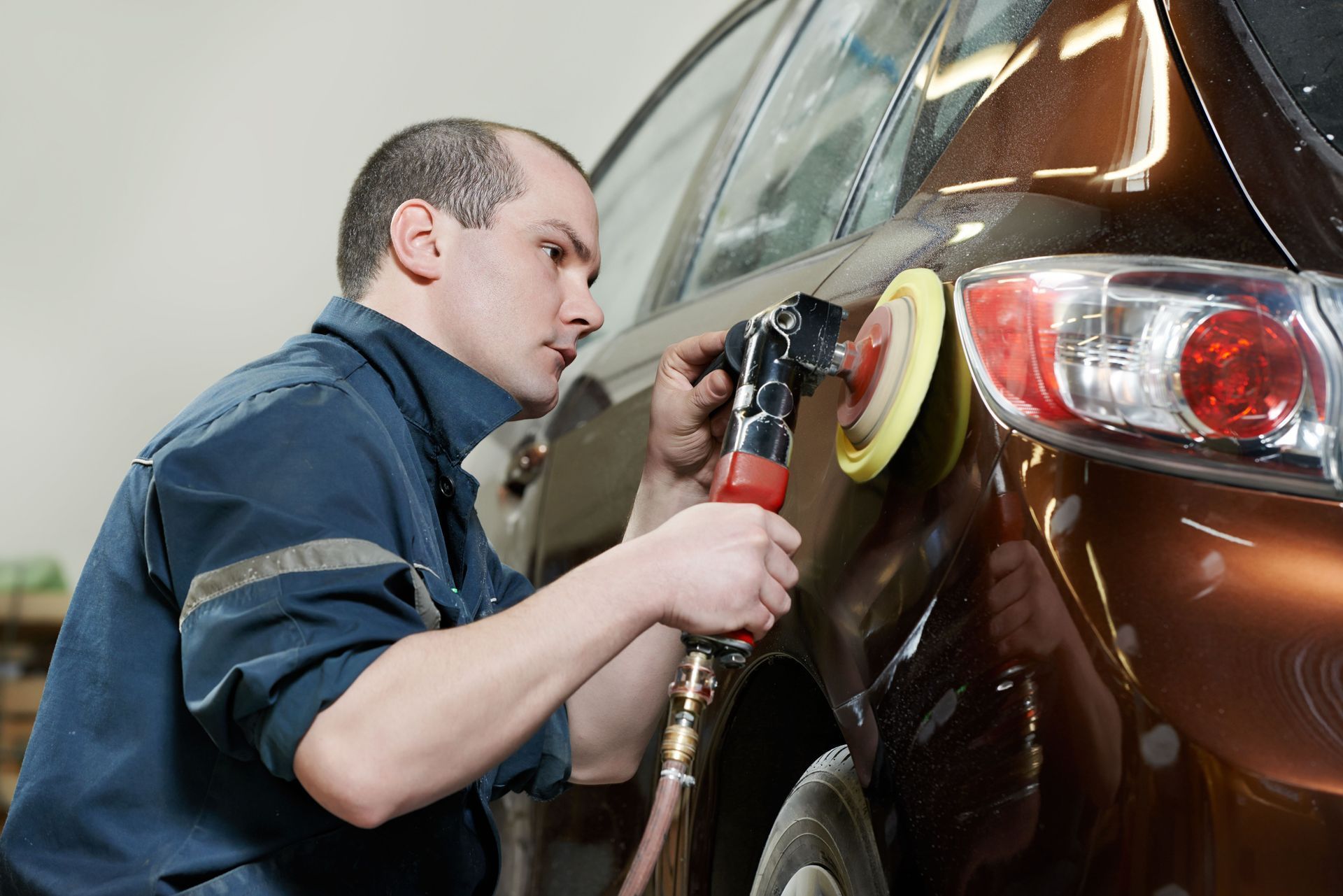
Exterior finishing is another part of the collision repair process that can affect completion timeframes. After damaged body panels have been repaired or replaced, the vehicle may require painting and finishing work to restore its appearance.
Achieving a consistent appearance requires attention to the selected paint color and the areas being refinished. If adjustments are necessary, technicians may need additional time to address the affected surfaces before moving forward.
Finishing work also involves reviewing the repaired areas for visible imperfections. If the results require additional attention, the repair team may need to complete further adjustments before considering the exterior work finished.
These final details are important because completing the mechanical or structural portions of a repair does not necessarily mean the entire project is ready for delivery. The vehicle must still undergo the remaining finishing tasks included in the agreed-upon repair plan.
Final Inspections and Quality Checks
Before a repaired vehicle is returned to its owner, the repair facility must complete the necessary final checks. These reviews help confirm that the work performed aligns with the repair plan and that outstanding concerns have been addressed.
If an inspection identifies an issue, the repair team may need to make additional adjustments. Even relatively small corrections can affect the original delivery estimate when they require more work before the vehicle is ready.
The final review also provides an opportunity to examine the overall repair results. Technicians can address any remaining items that need attention rather than rushing the vehicle through the final stage.
Vehicle owners should understand that a revised completion date does not automatically mean the repair process is going poorly. Additional time may be necessary to address identified concerns and complete the agreed-upon work.
If your vehicle needs collision repair, choosing an experienced repair team can help you understand the process and the work required to restore your vehicle. Contact Dutton Auto Body Shop Inc today to discuss your vehicle's damage, receive guidance about the repair process, and schedule an inspection.